2026 Annual Meeting
Banff Centre for Arts and Creativity · Banff, Alberta, Canada
September 18-20
News & Updates
• Registration Opens Spring 2026
• Learn about PRS Membership
The Perinatal Research Society welcomes members and guests to the beautiful Canadian city of Banff, September 18 – 20, 2026, for the PRS 56th Annual Meeting, themed “Discovering Therapeutic Benefits in Perinatal Medicine.”
Set in the majestic Canadian Rockies in the Province of Alberta, this gathering of scientific investigators combines the best of recent perinatal medicine and development biology research presentations and collegial camaraderie.
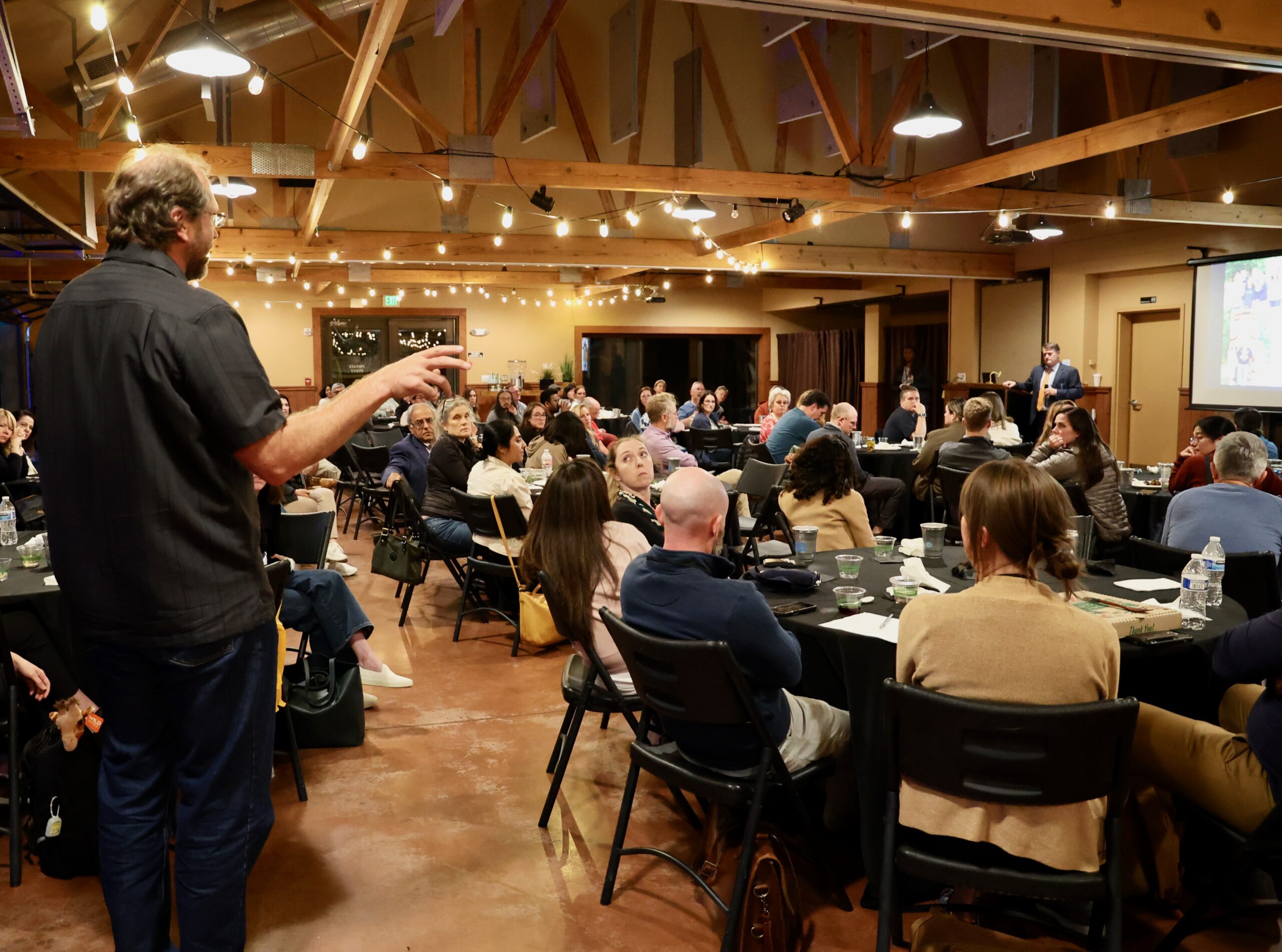
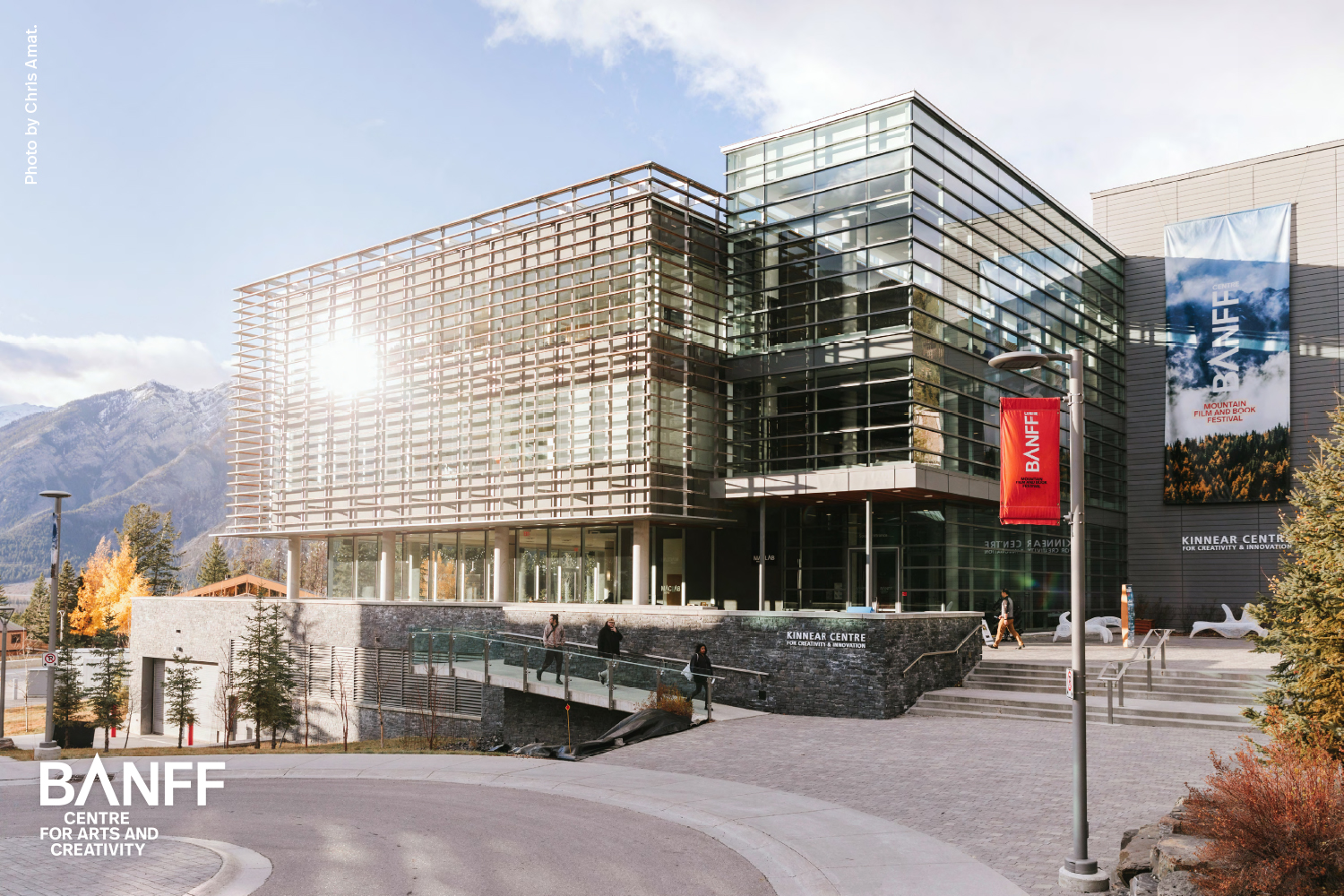
The unique Banff Centre for Arts and Creativity will host the three-day event, providing an inspiring backdrop for this intentionally smaller meeting. Throughout the weekend, there are opportunities for attendees to interact with internationally recognized speakers, join conversations between early career scientists and senior investigators, and connect with old and new friends.
Convening in the historic city of Banff for the third time in its 56-year history, the PRS welcomes neonatal, maternal-fetal medicine, and basic science researchers at all stages of their careers.
Mark your calendars and plan to attend the 2026 PRS meeting in Banff!
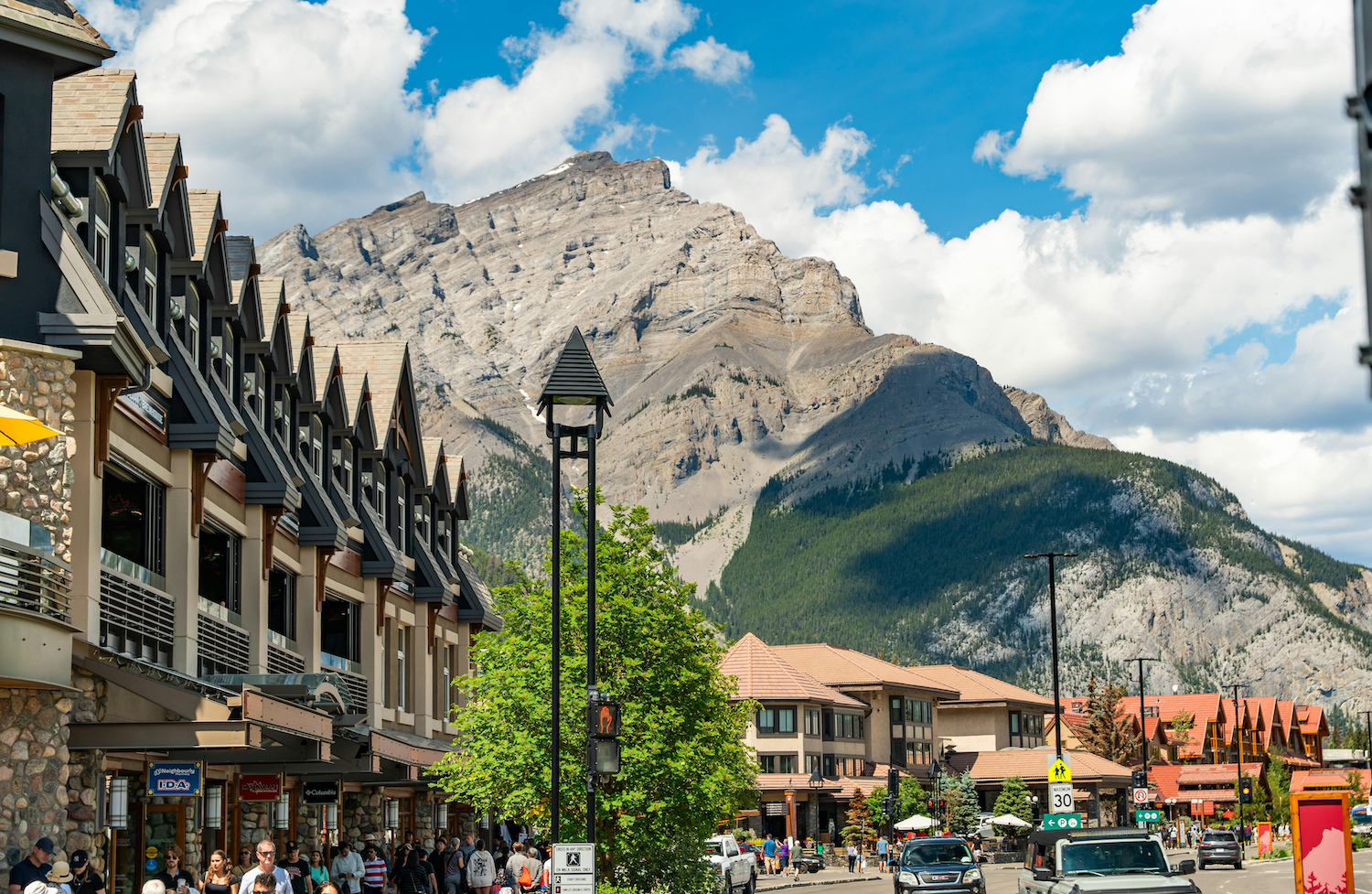
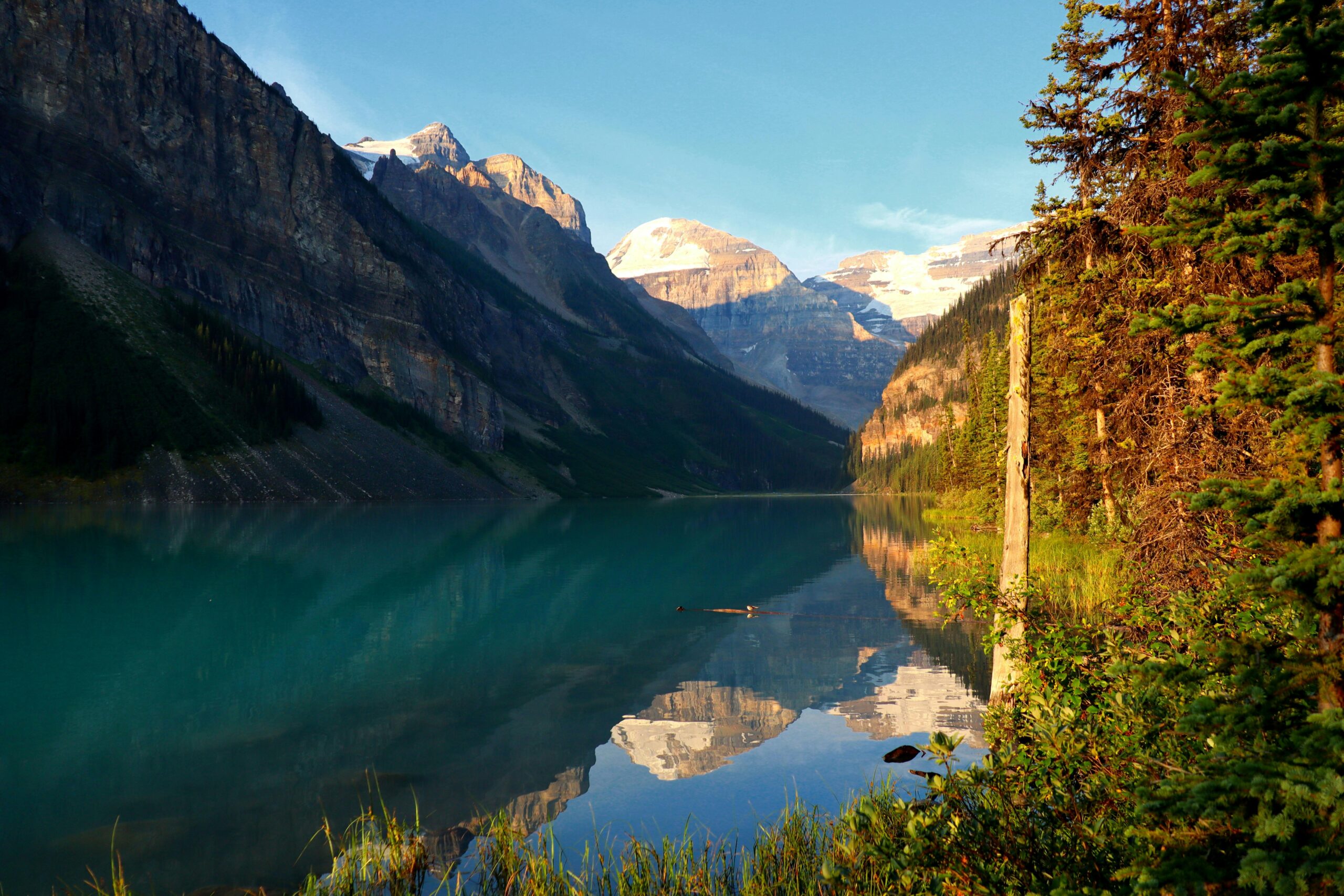
“The natural beauty of Banff’s surrounding lakes and mountains made it Canada’s first National Park and the world’s third national park refuge, and part of the Canadian Rocky Mountain Parks UNESCO World Heritage Site. More than 4 million people from around the world now visit Banff National Park every year.” ~ Town of Banff website
PRS 56th Annual Meeting Information
Meeting Location
Banff
Alberta, Canada
Photo credit: Adrian Caleanu
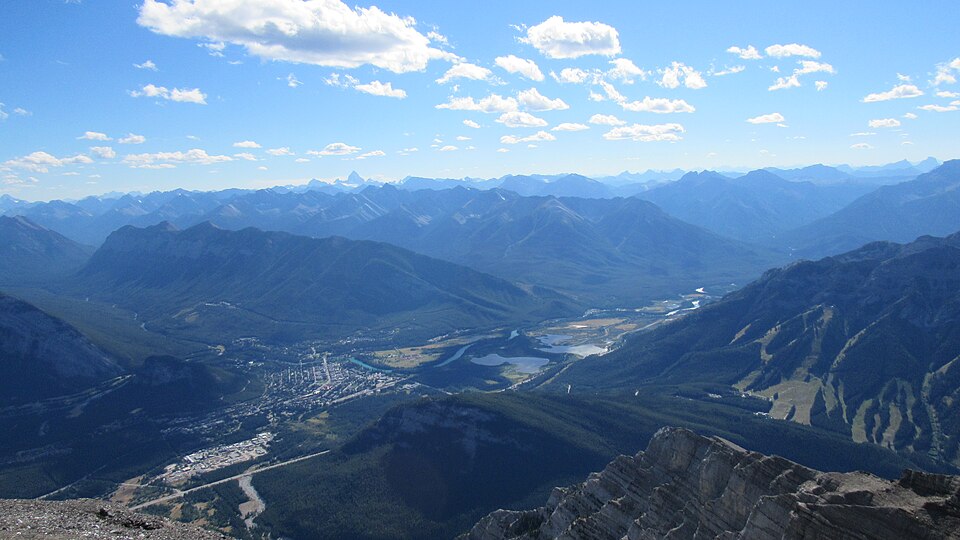
Set in the stunning Canadian Rockies, Banff enjoys awe-inspiring views, outdoor activities for everyone, including hiking and hot springs, a UNESCO World Heritage designation for its beauty, and a delightful small town business district that offers a wide diversity of food options and plenty of shopping.
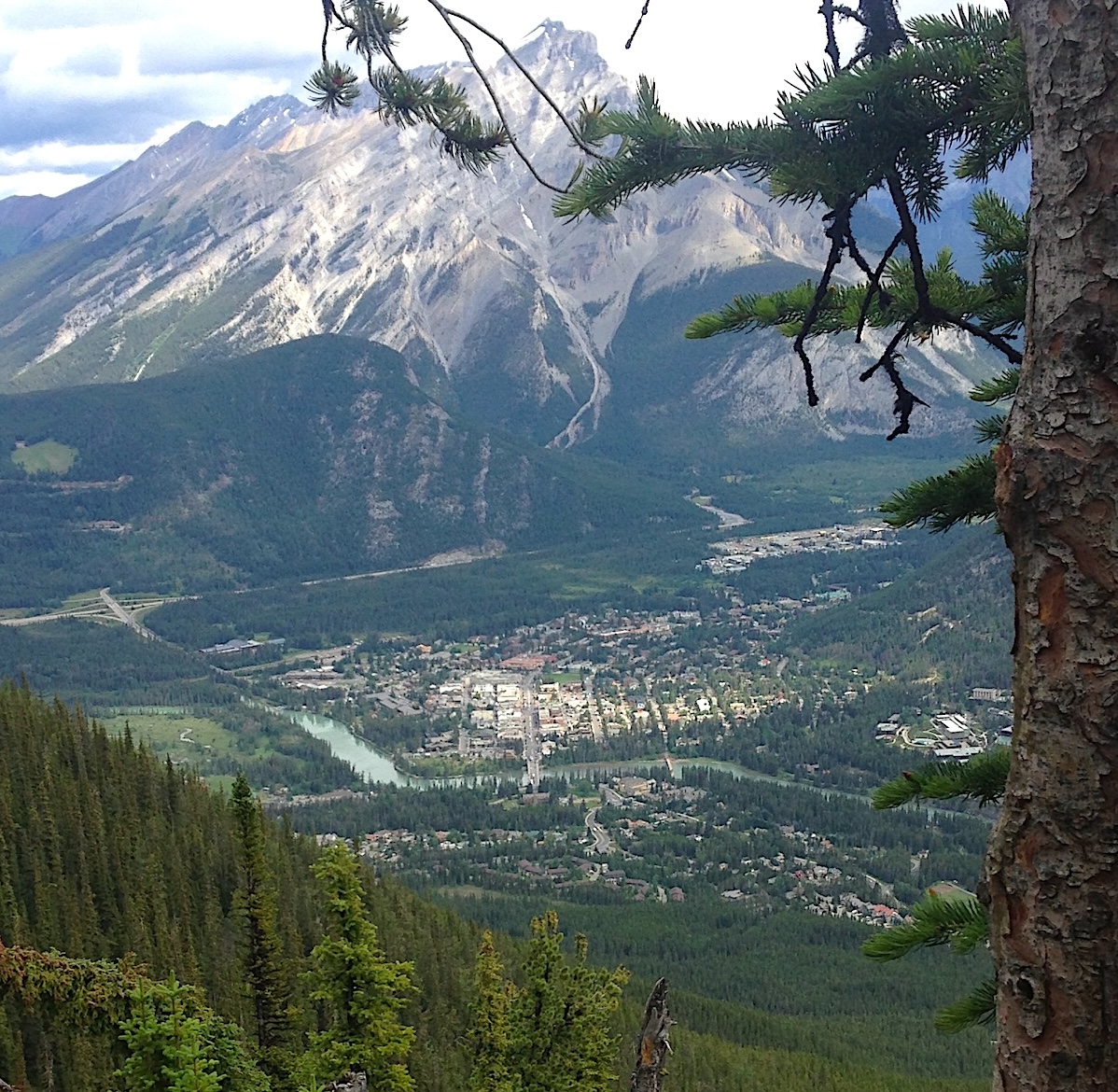
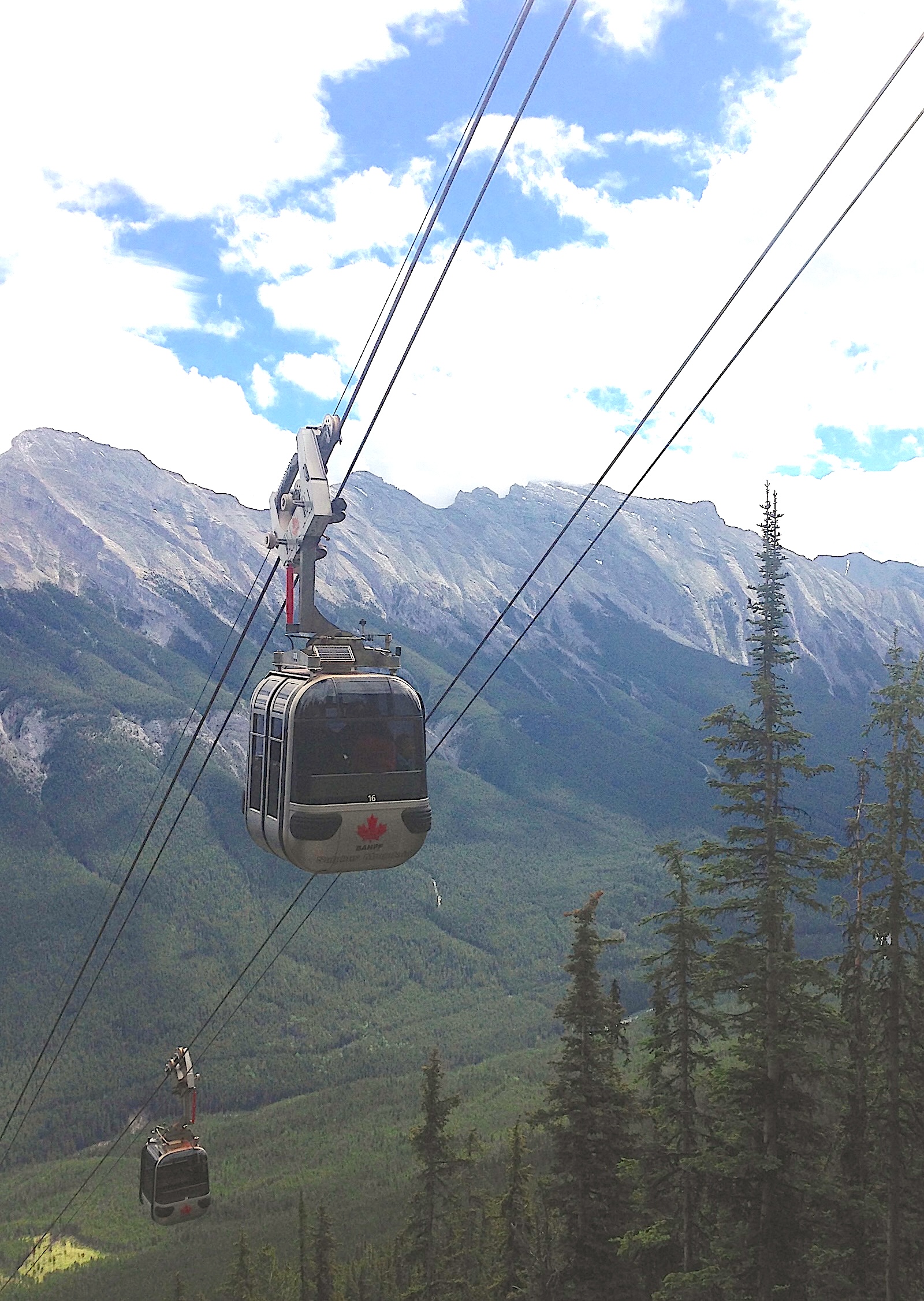
Surrounded by four mountains in the southern part of Banff National Park, the resort town of Banff (population 8000) is located in the province of Alberta and nestled in the Bow River Valley. As one of the most popular tourist destinations in Canada, Banff offers visitors a wide variety of outdoor activities including hiking and biking, soaking in natural mineral hot springs, or taking the favorite Banff Gondola ride to the top of Sulphur Mountain for a breathtaking view of the surrounding area.
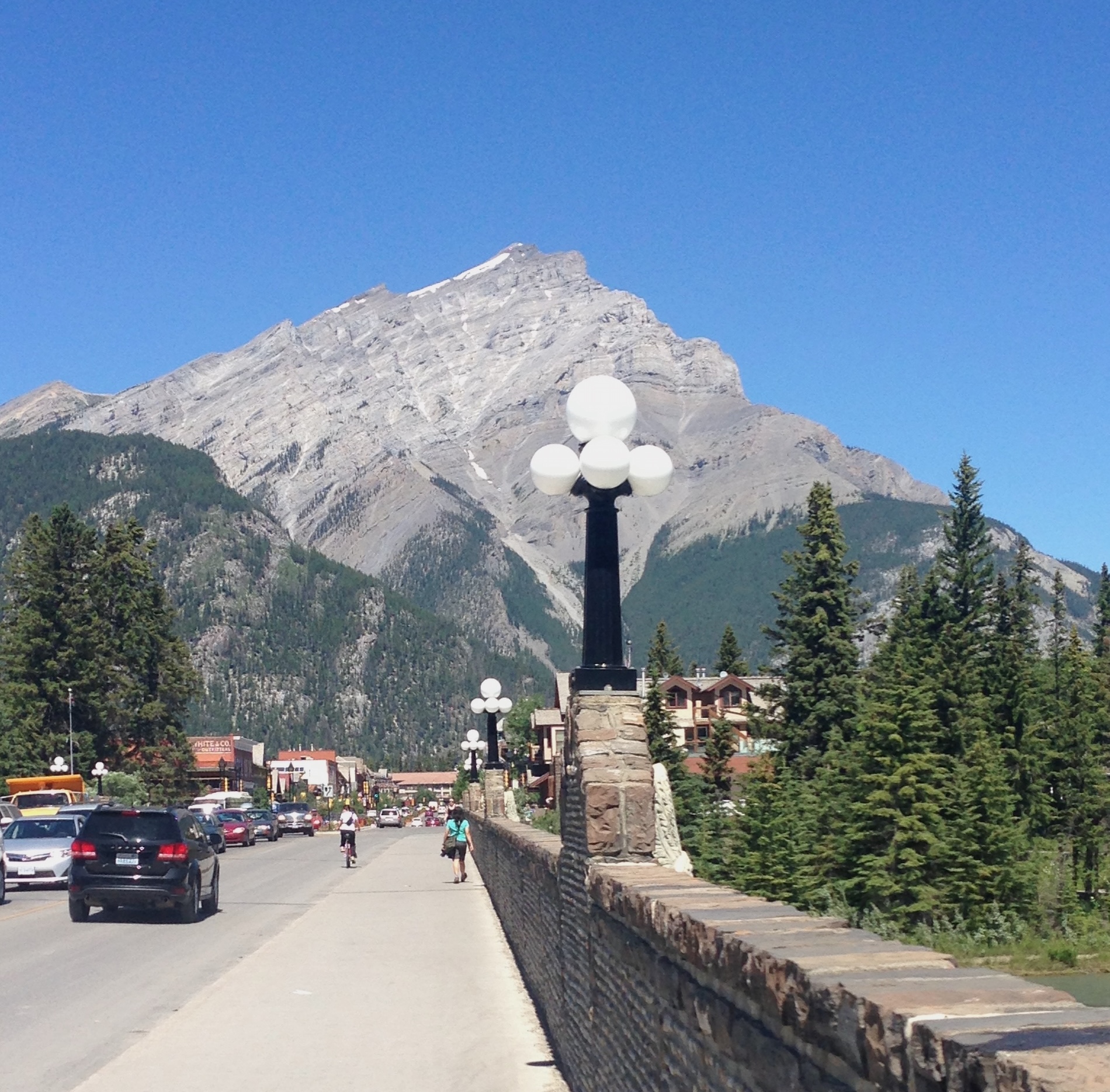
An essential part of a visit to Banff includes a stroll through the downtown to enjoy shopping for unique Canadian souvenirs or name-brand clothing. There are also museums, galleries, boutiques, cafes and a wide variety of terrific restaurants. Traveling outside of Banff, Lake Louise is a natural wonder with spectacular turquoise water and hiking paths – in less than an hour’s drive. The Columbia Icefield is an additional awe-inspiring marvel and just two-and-half hours north of Banff, with tour options available to be able to walk on or view a glacier.
Additional Information on Banff
For thousands of years Alberta, Canada was host to Indigenous Peoples who lived, hunted big game, trapped and fished in the area. It was also home to sacred places and healing in the mineral hot springs. When Europeans began exploring the area in the 17th Century, the Indigenous Peoples began trading hides and furs and acted as guides into the next century.
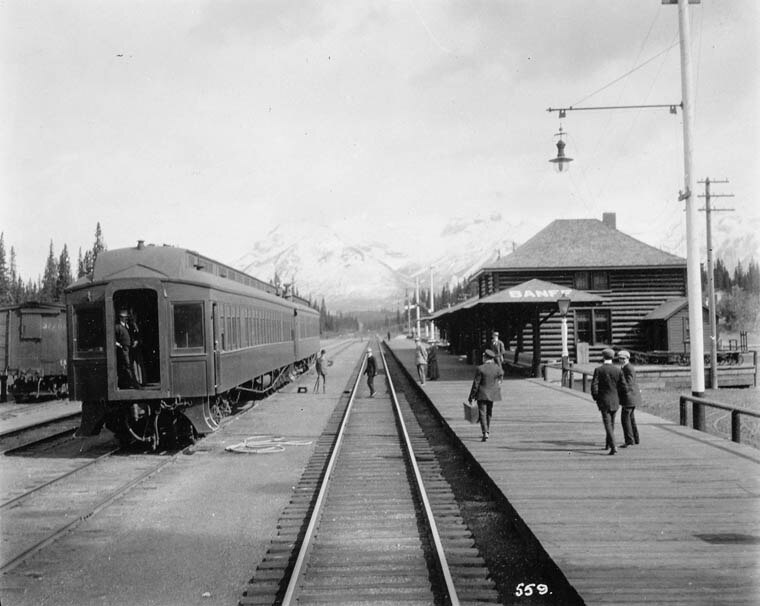
In the 1870s the Canadian Pacific Railway embarked on an ambitious plan to build a coast-to-coast train route across Canada. In 1883, the township of Banff was originally referred to as “Siding 29,” which was a temporary rail stop along the route. During construction, several rail workers discovered the hot mineral springs (Cave and Basin) on current day Sulphur Mountain and the developers took note.
They realized the tourist potential of these springs that were surrounded by the beauty of the Canadian Rocky Mountains and quickly claimed the area. George Stephen, the first president of the Canadian Pacific Railway (CPR), chose the name in 1884, after his ancestral home in the Banffshire region of Scotland.
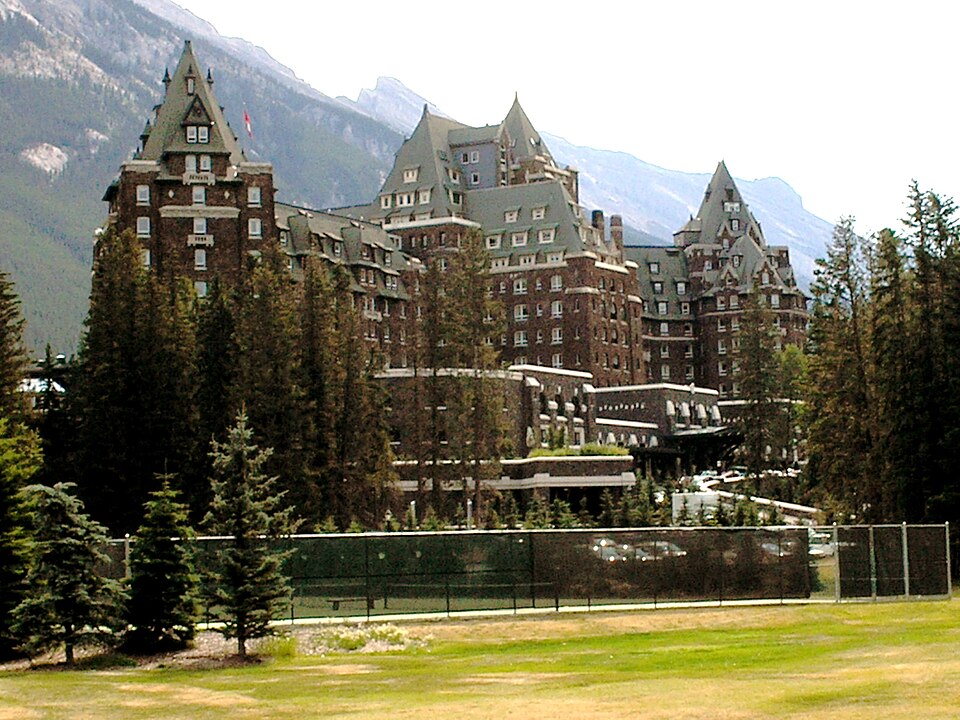
In 1885, Canada stepped in to create a reserve to protect the area – naming it the “Rocky Mountains Park of Canada” and thus becoming Canada’s first national park. Nonetheless, the township of Banff grew quickly. This growth included hotels for travelers with the Fairmont Banff Springs (originally Banff Springs Hotel) built to be one of the most luxurious hotels in the world. It was constructed by William Cornelius Van Horne, the General Manager of the Canadian Pacific Railway, to encourage railway travel. Referred to later as the Castle of the Rockies, it was built in 1886-1888.
More than 130 years later, Banff and the surrounding area, including Lake Louise, continue to attract visitors and conference attendees from around the world. In 1984, the Banff National Park was included in the “Canadian Rocky Mountain Parks” UNESCO World Heritage Site, recognizing its “exceptional natural beauty” and “striking mountain landscape”.
According to the Calgary Herald newspaper, Banff National Park welcomed 4.230 million visitors in April 1, 2024 – March 31, 2025.
Travel to Banff is relatively easy (according to Banff&LakeLouise.com) with a number of options.
By Air
Most major airlines fly directly into the Calgary International Airport, which is a short, scenic 90 minute (130 kilometers or 87 miles) drive to Banff National Park. There are shuttle buses that connect from the airport to Banff and Lake Louise.
By Shuttle from Calgary
Calgary International Airport (YYC) to Banff and Lake Louise: Choose from multiple service options to Banff and Lake Louise with ABest Transport and Tour Services, Alpine Limousine & Tours, Banff Airporter, Banff Sedan, Brewster Express, Discover Banff Tours, Mountain Park Transportation and Banff Chauffeur. Prices vary and booking is required.
Downtown Calgary to Banff: Travel with On-It Regional Transit (seasonal) from downtown Calgary to Banff. This service operates on Fridays through Sundays and statutory holidays from June to October, with several departure times available. Booking Required.
By Car
Banff National Park is located along the TransCanada Highway 1. Open year-round, the TransCanada is a well-maintained road that winds its way through the spectacular Canadian Rockies.
If you are coming from the east, Banff is a 90-minute (130 kilometres or 87 miles) drive west of Calgary, Alberta. From the west, Banff and Lake Louise make for a beautiful day’s drive (850 kilometres or 530 miles) from Vancouver. This scenic drive weaves through the Coast Mountains and wine country of British Columbia before arriving in the spectacular Canadian Rockies.
Whenever possible, Banff&LakeLouise.com recommends taking shuttles or shared transportation. “Not only is this healthier for the environment and reduces traffic congestion in the park, but it makes for a more relaxing trip when all you have to do is sit back and soak up the scenery.”
By Train
For those looking to experience the picturesque journey via rail, Rocky Mountaineer offers regularly scheduled train services from April to October that start or finish in Banff. See Rocky Mountaineer’s website for more details.
2026 PRS NIH-Mead Johnson Nutrition
Young Investigator Workshop
September 17-18, 2026
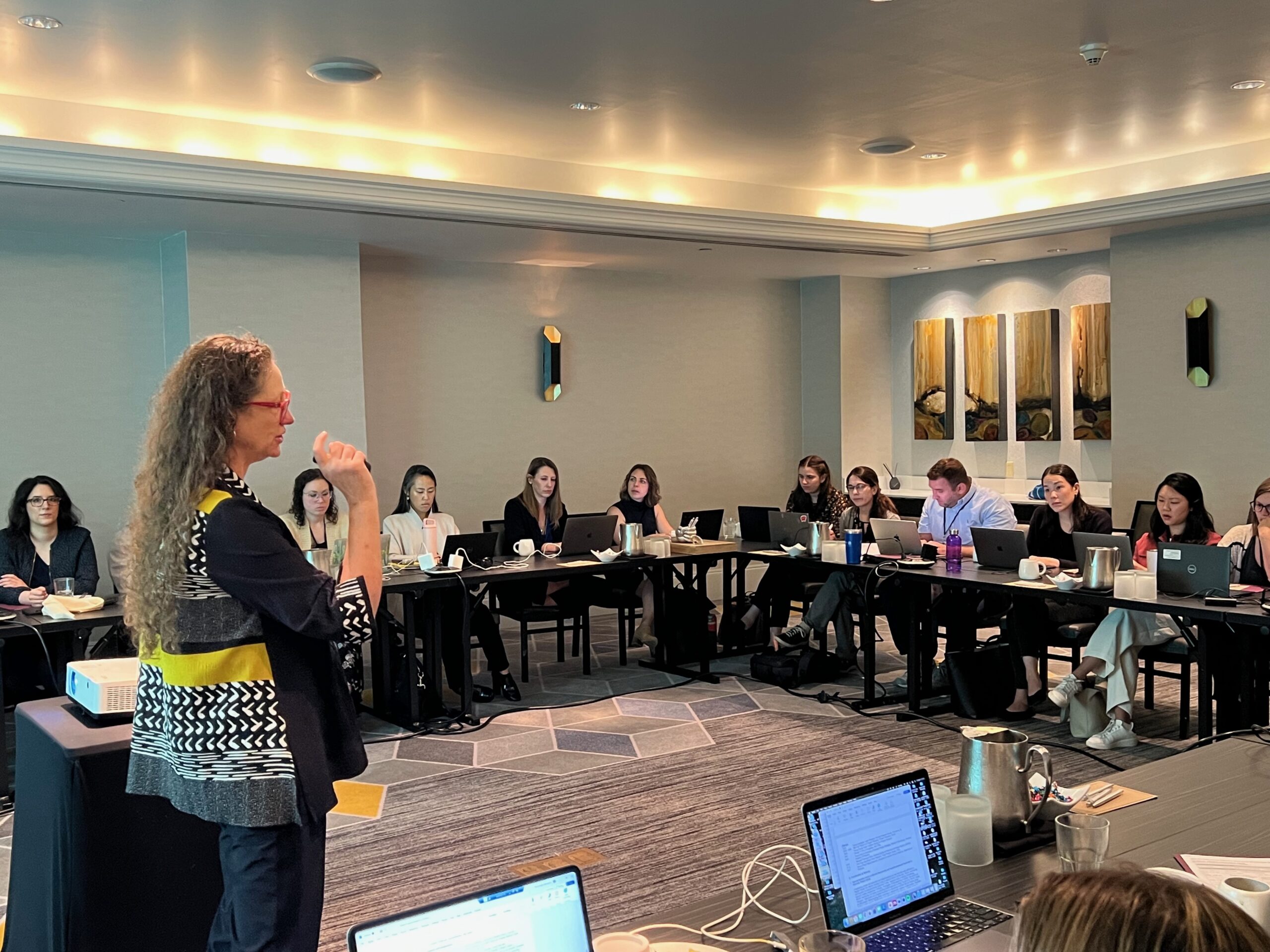
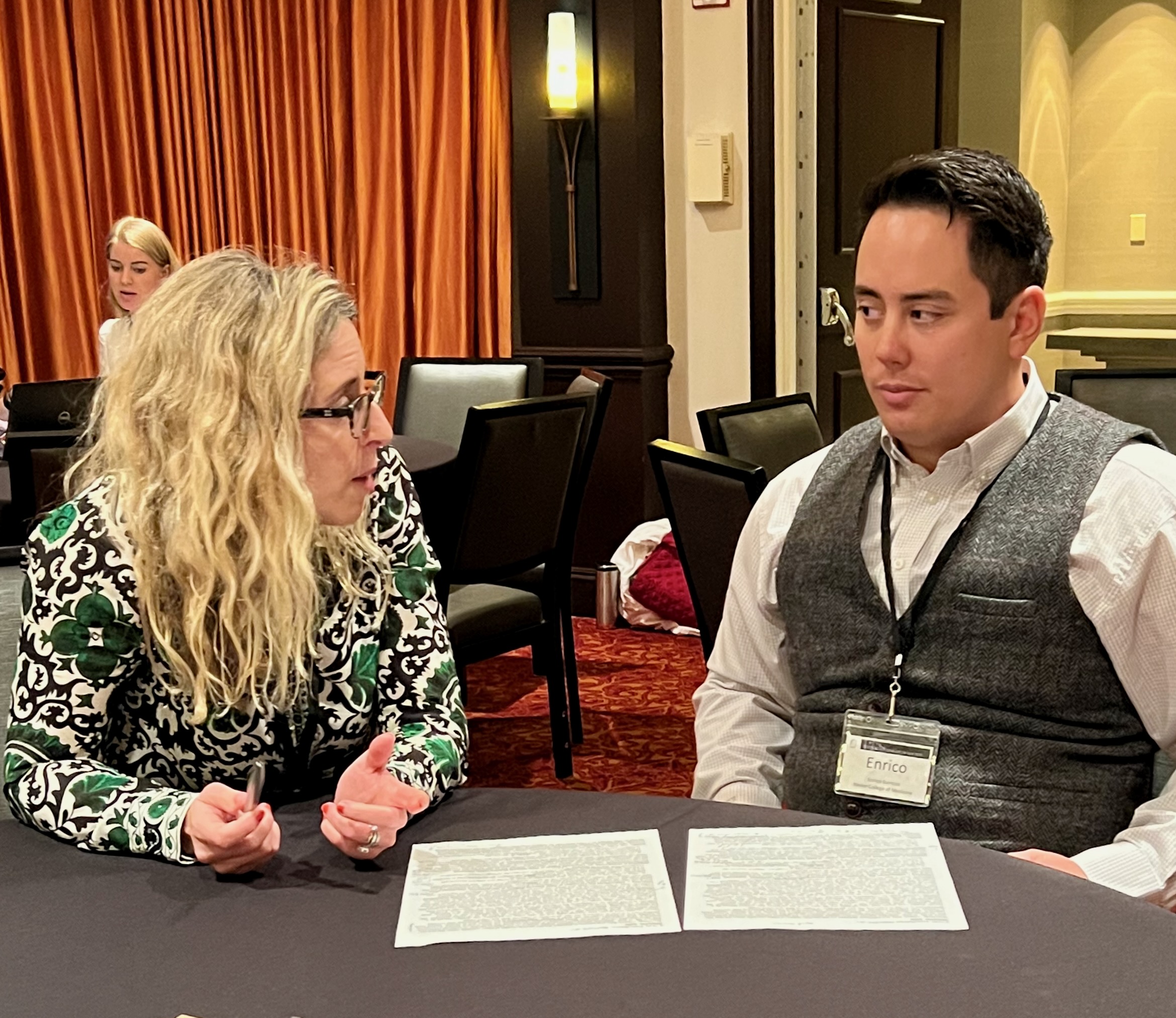
The Perinatal Research Society NIH-Mead Johnson Nutrition Young Investigator Workshop is a two-day, pre-meeting event, September 17-18, 2026 with successful applicants also attending the PRS Annual meeting, September 18-20. The workshop utilizes immersive, active-writing, and active-oral presentation design, with one-on-one feedback from NIH-funded faculty-mentors drawn from the PRS membership.
Application Deadline: May 31, 2026
Meeting Resources & LInks
Meeting Awards
- Liley Lecture
- Young Investigator Cassady Presidential Award
- PRS-PSANZ Mont Liggins Early Career Award
Meeting Logistics
- Reimbursement Policy for Non-Member & Sponsored Invited Speakers
- Meeting Attendance Code of Conduct Policy
- Meeting Cancelation Policy
Previous Annual Meeting: 2025
Become a PRS Member