2027 Annual Meeting
Royal Sonesta Hotel · San Juan, Puerto Rico
September 10-12
News & Updates
• Registration is Open-Register Now!
• Learn about PRS Membership
Save the Date for the 56th Annual Perinatal Research Society Meeting
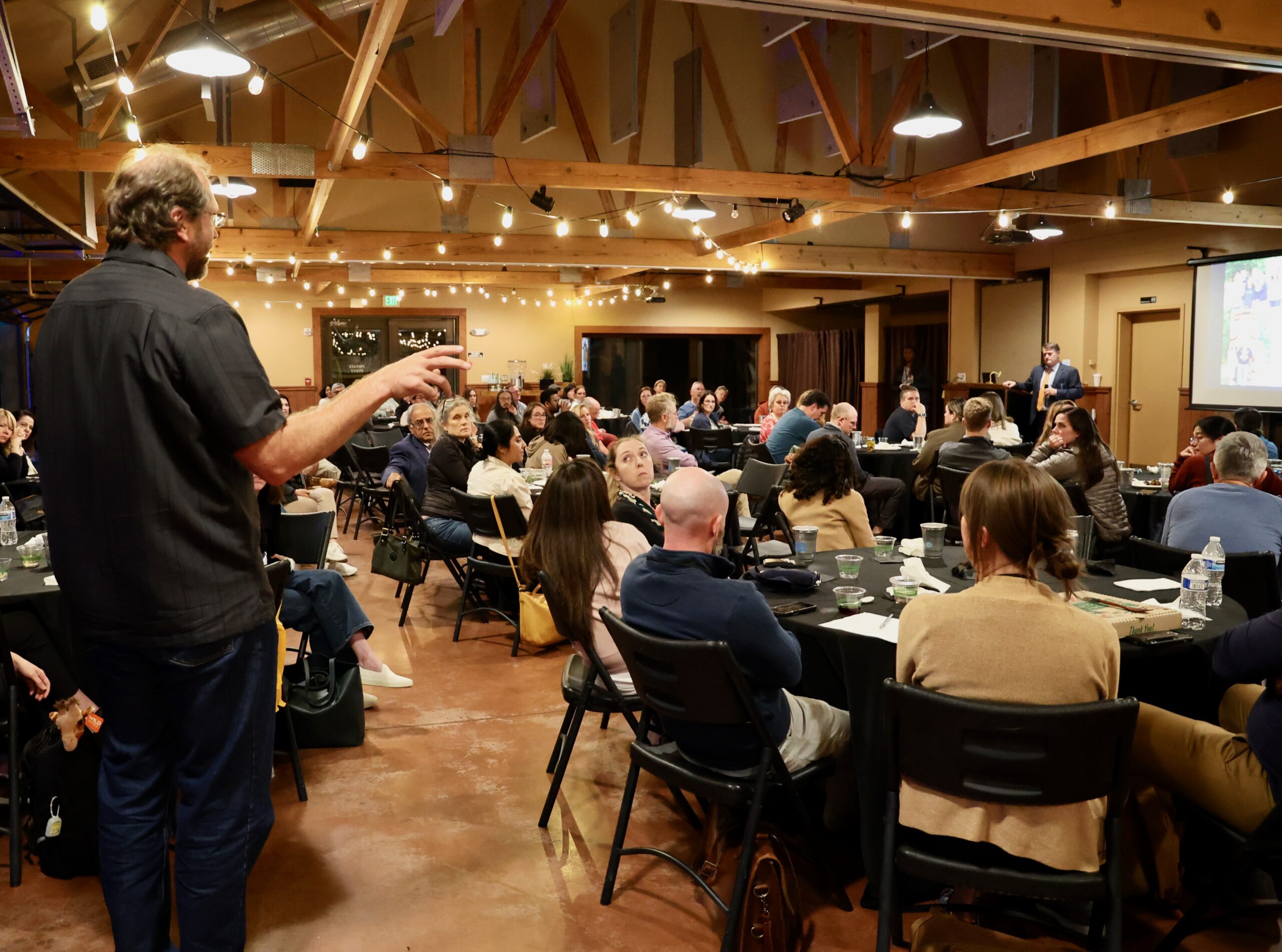
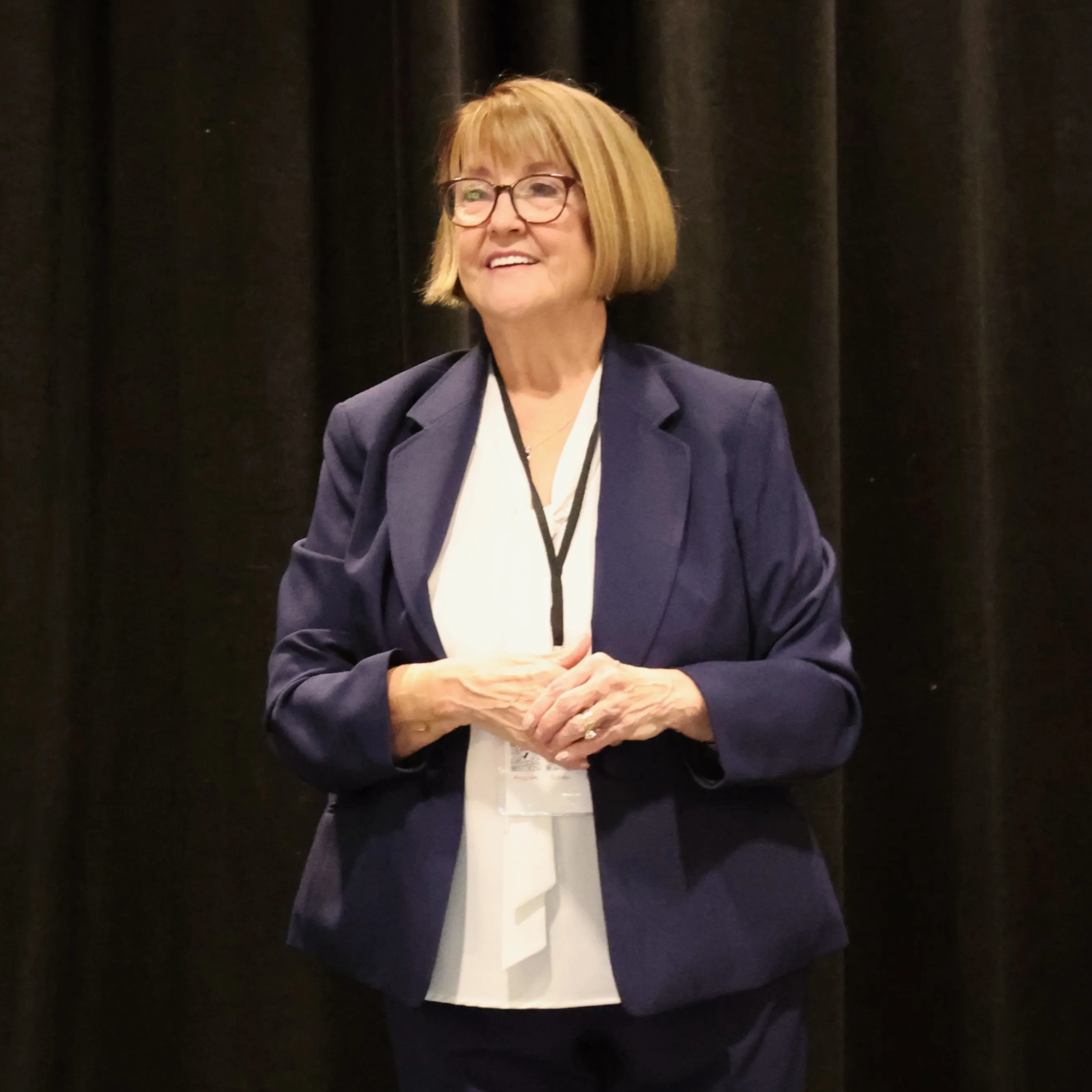
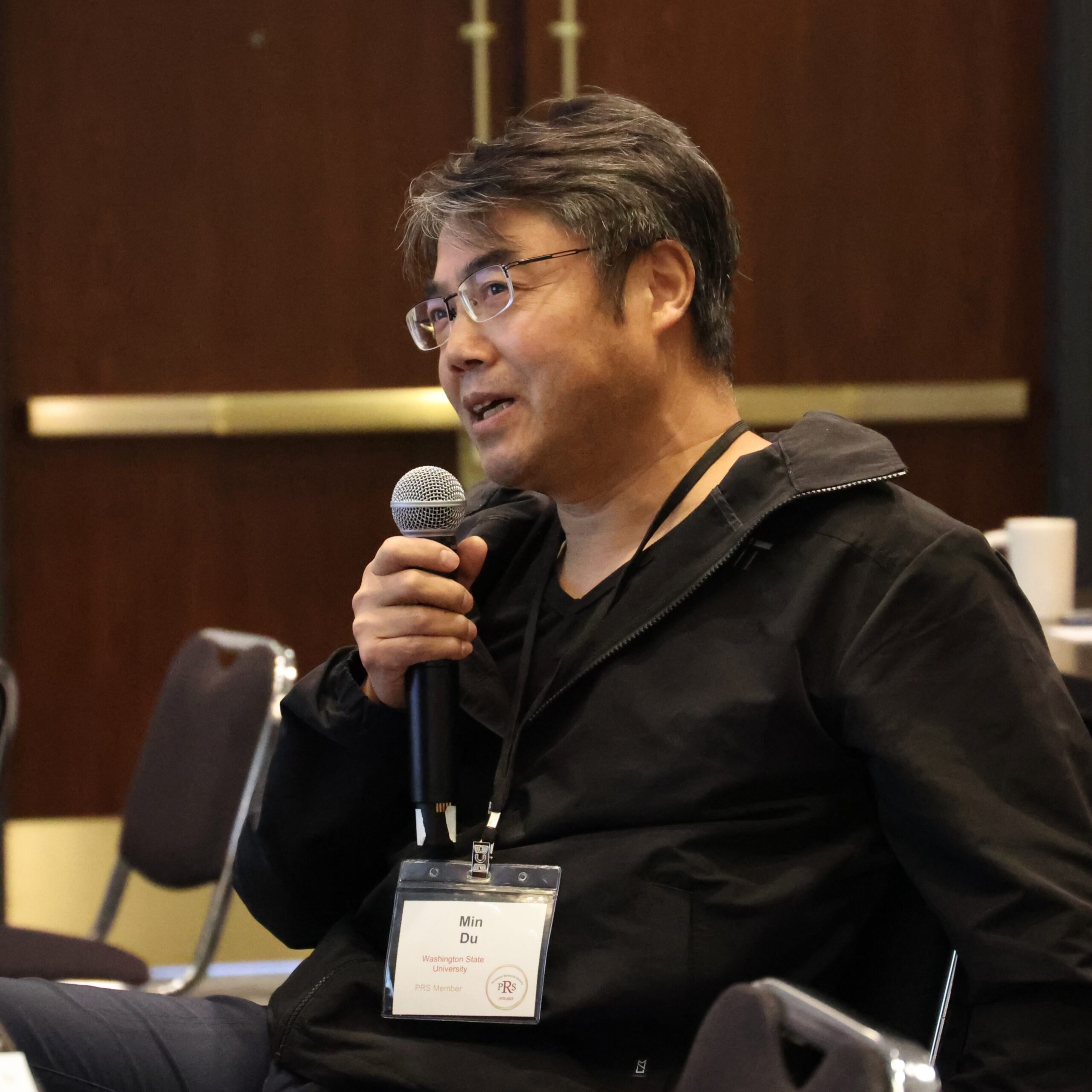
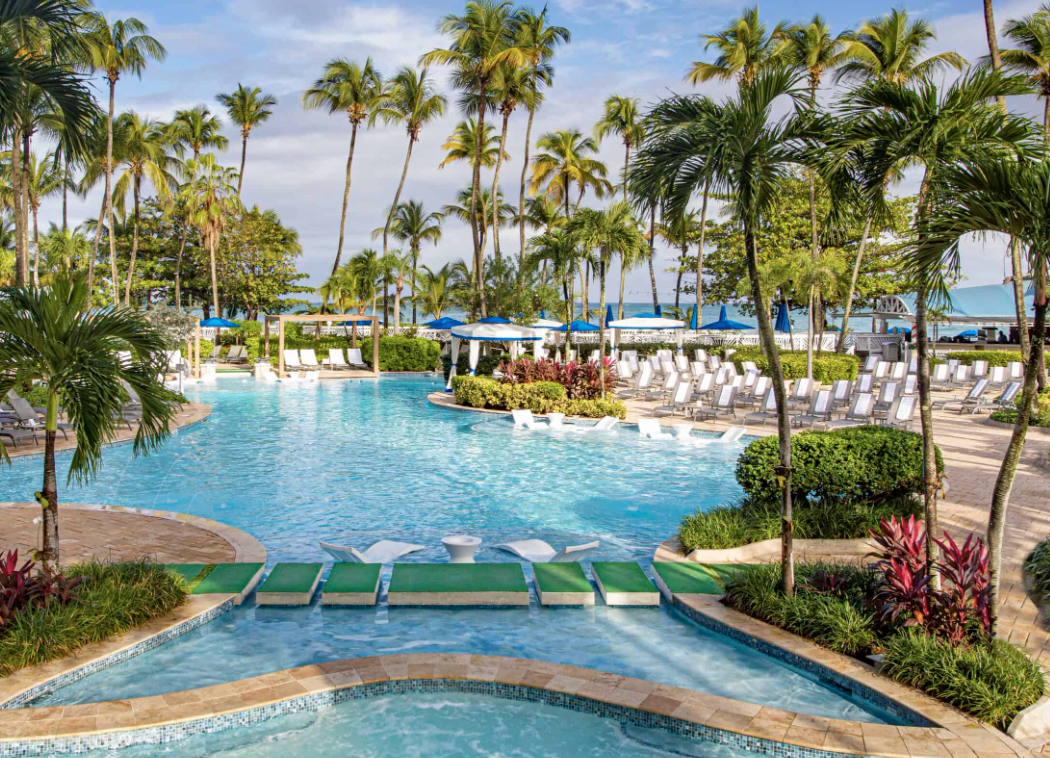
San Juan, Puerto Rico—La Isla del Encanto, or “The Island of Enchantment”—will host the 56th Annual Perinatal Research Society Meeting, September 10–12, 2027. Convening at the Royal Sonesta Hotel, researchers in perinatal and developmental biology will gather to hear presentations from internationally recognized speakers and discuss their latest findings.
Designed as an intentionally smaller meeting of pediatricians, obstetricians, and basic scientists, the gathering also offers early career scientists meaningful opportunities to engage with senior investigators—all while enjoying the tropical surroundings and warm weather of San Juan’s Isla Verde Beach.
Mark your calendar and plan to attend the 2027 PRS Annual Meeting in beautiful Puerto Rico!

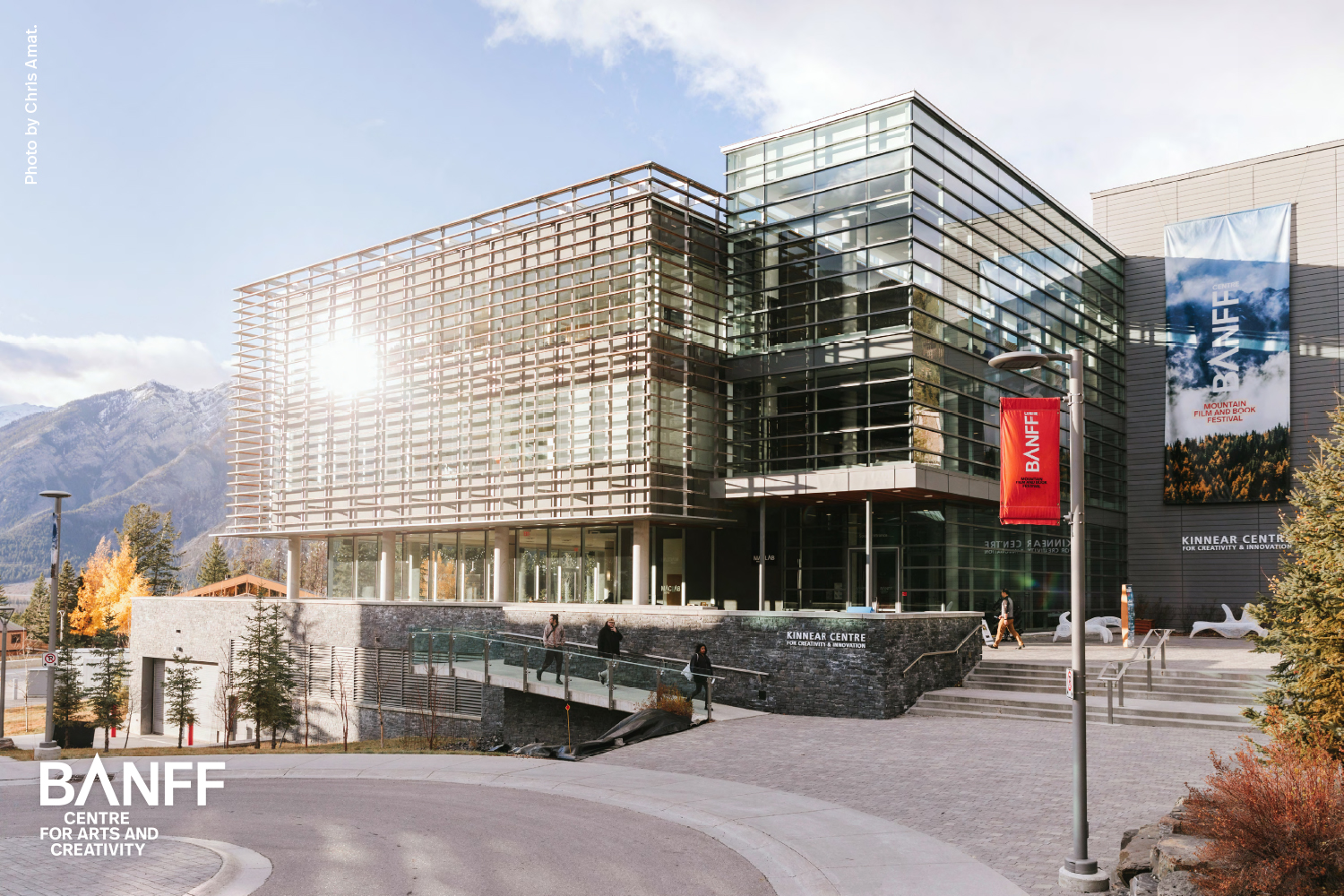

“The natural beauty of Banff’s surrounding lakes and mountains made it Canada’s first National Park and the world’s third national park refuge, and part of the Canadian Rocky Mountain Parks UNESCO World Heritage Site. More than 4 million people from around the world now visit Banff National Park every year.” ~ Town of Banff website
PRS 56th Annual Meeting Information
Welcome From the President
PRS President
Greetings!
Dear PRS Membership, Speakers and Friends of PRS,
I am thrilled to invite you to the 2026 Perinatal Research Society Annual Meeting in the majestic mountains of Banff, Alberta, Canada, September 18 -20.
Since 1969, the PRS has bridged the silos of pediatricians, obstetricians, and basic scientists. Our 2026 theme, “Discovering Therapeutic Benefits in Perinatal Medicine,” honors this interdisciplinary mission by focusing on the “translation gap”—the journey from discovery to validated patient intervention.
read on…
Featured Keynote Speakers: Translation in Action
- The Liley Lectureship: Professor Frank H. Bloomfield, MBChB, PhD, (University of Auckland) A leader in translating neonatal nutrition science into clinical impact through the ProVIDe and DIAMOND trials, fundamentally improving outcomes for preterm infants.
- The NICHD Speakership: Professor Janna L. Morrison, PhD, (University of South Australia) Pioneering 4D flow MRI and T2 relaxometry in large animal models to develop non-invasive biomarkers for placental insufficiency and fetal growth restriction.
- The Mead Johnson Speakership: Janene H. Fuerch, MD, (Stanford University) A neonatologist and Biodesign innovator accelerating the commercialization of pediatric medical devices, from ECMO services to umbilical catheter securement.
PRS Member Spotlights: Emerging Therapeutics & Interventions
We are proud to highlight the cutting-edge research and therapeutic development led by our own members:
- David M. Olson, PhD, (University of Alberta): Investigating the “silent inflammatory event” of parturition. His lab is developing a patented leukocyte migration assay for delivery prediction and testing allosteric antagonists to block the inflammatory triggers of preterm birth and fetal injury.
- Helen N. Jones, PhD, (University of Florida): Leading a pioneering team in nanoparticle-based gene therapy designed to specifically target the placenta to reverse causes of stillbirth and premature delivery.
- Chi Zhou, PhD, (University of Arizona): Exploring the molecular mechanisms of preeclampsia and how environmental stressors—including extreme heat and endocrine disruptors—induce sex-specific fetal endothelial dysfunction.
- Emilyn U. Alejandro, PhD, (University of Minnesota): Uncovering the molecular sensors that link prenatal nutrition and placental health to the lifelong programming of type 2 diabetes risk.
September is a terrific time to visit Banff. We will be convening at the Banff Centre for Arts and Creativity, which is conveniently located close to the downtown district. Our meeting is an intentionally smaller meeting as we encourage conversations between established researchers and early career investigators and have spirited Q&A sessions following every presentation.
I anticipate welcoming our 2026 class to the pre-meeting PRS Young Investigator Workshop. If you are an early career researcher, don’t delay in submitting your application to participate in this outstanding workshop before the deadline on May 31.
I look forward to seeing you in Alberta!
Warm regards,
Sean W. Limesand, PhD
2026 President, Perinatal Research Society
Meeting Program
2026 Liley Lectureship & Award
Professor Frank H. Bloomfield, MBChB, PhD
Deputy Vice Chancellor (Research and Innovation)
University of Auckland
Professor Frank Bloomfield is the Deputy Vice Chancellor (Research and Innovation) for the University of Auckland. Previously, he was Director of the University’s Liggins Institute, 2015-2023 and is also a Professor in Neonatology. Dr. Bloomfield is a Fellow of the Royal Society of New Zealand, held the office of President of the Perinatal Society of Australia and New Zealand (PSANZ), 2014-2016 and in 2010-2014 he was the President of the Perinatal Society of New Zealand.
His current research focuses on clinical research and clinical trials in neonatal nutrition, including optimizing protein intake, addressing nutritional impact on growth and development, as well as developmental outcome studies.
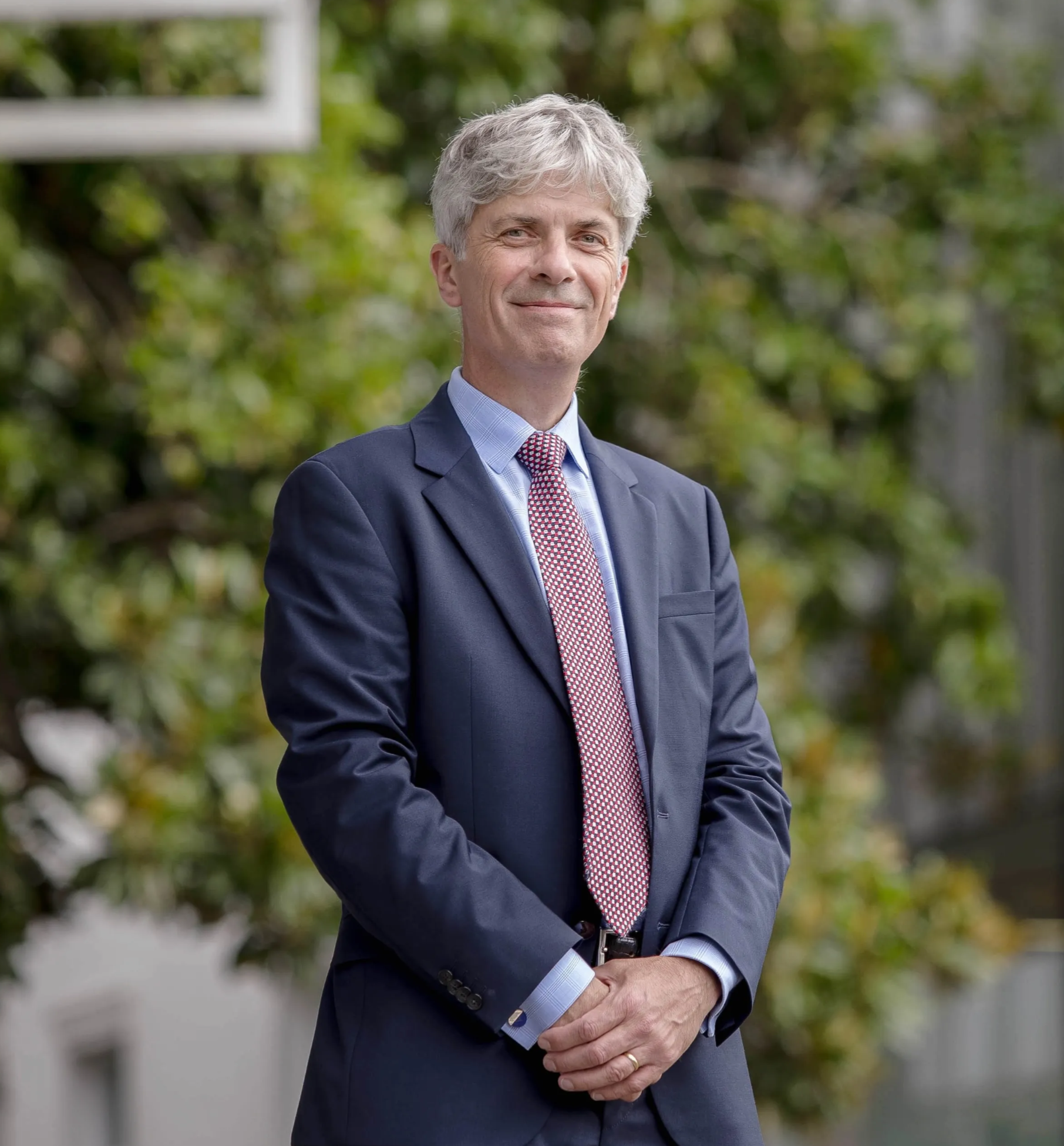
Lecture Title: Do We Know How to Feed the Preterm Baby?
SATURDAY, SEPTEMBER 19
About the Liley Lecture: This lectureship celebrates outstanding, lifelong contributions to perinatal research and stands as the society’s highest recognition.
2026 Speakers
| Speaker | Institute |
|---|---|
| Emilyn U. Alejandro, PhD | University of Minnesota |
| Frank H. Bloomfield, MBChB, PhD | University of Auckland |
| Janene H. Fuerch, MD | Stanford University |
| Helen N. Jones, PhD | University of Florida |
| Janna L. Morrison, PhD | University of South Australia |
| David M. Olson, PhD | University of Alberta |
| Chi Zhou, PhD | University of Arizona |
| Emilyn U. Alejandro, PhD University of Minnesota |
| Frank H. Bloomfield, MBChB, PhD University of Auckland |
| Janene H. Fuerch, MD Stanford University |
| Helen N. Jones, PhD University of Florida |
| Janna L. Morrison, PhD University of South Australia |
| David M. Olson, PhD University of Alberta |
| Chi Zhou, PhD University of Arizona |
Meeting Location
San Juan
Puerto Rico
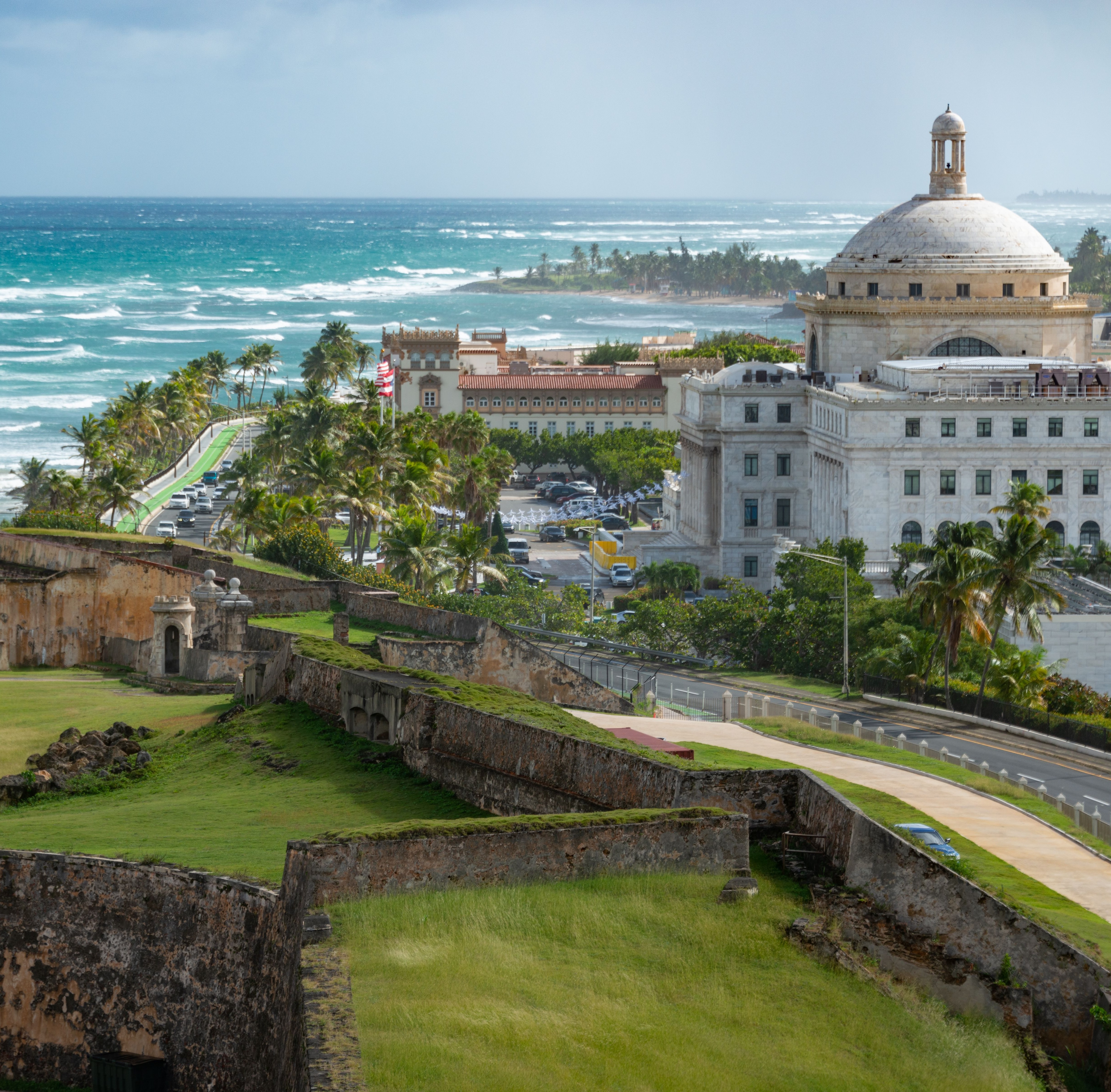
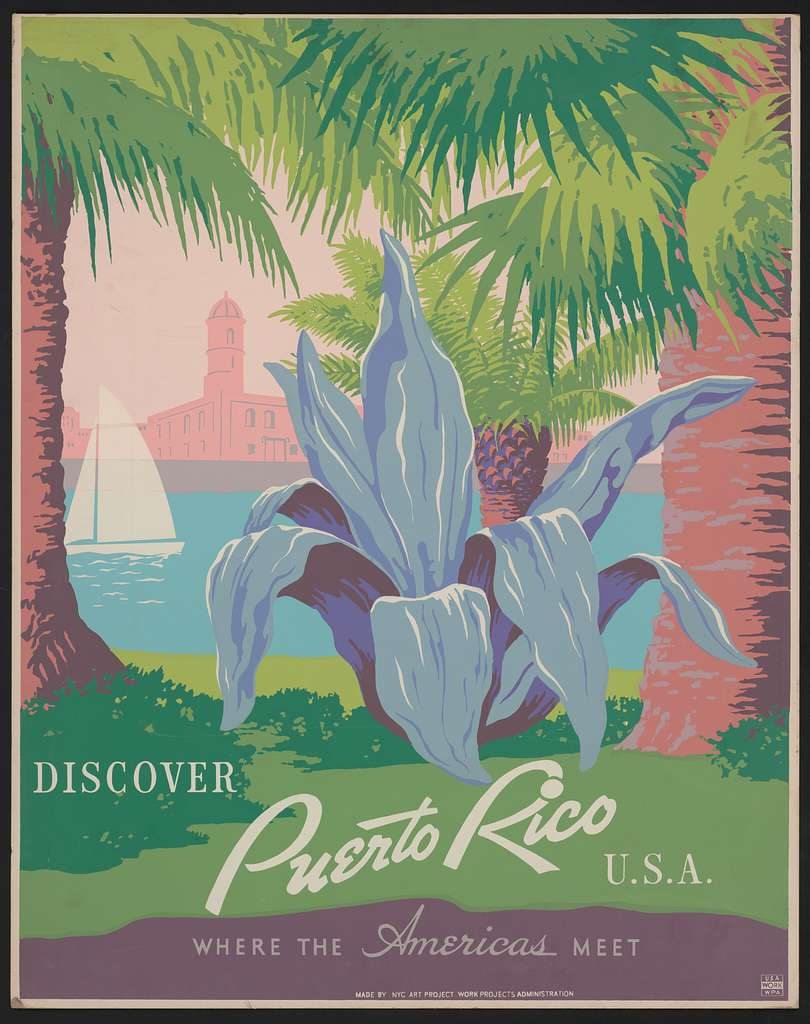
The vibrant island of Puerto Rico offers visitors the enjoyment of warm Caribbean weather, beautiful sandy beaches and a lush tropical rain forest. Beyond the natural beauty, guests can explore centuries of fascinating history along with experiencing traditional culture, cuisine, local drinks, and the lively music and dance found on the colorful streets of Old San Juan.
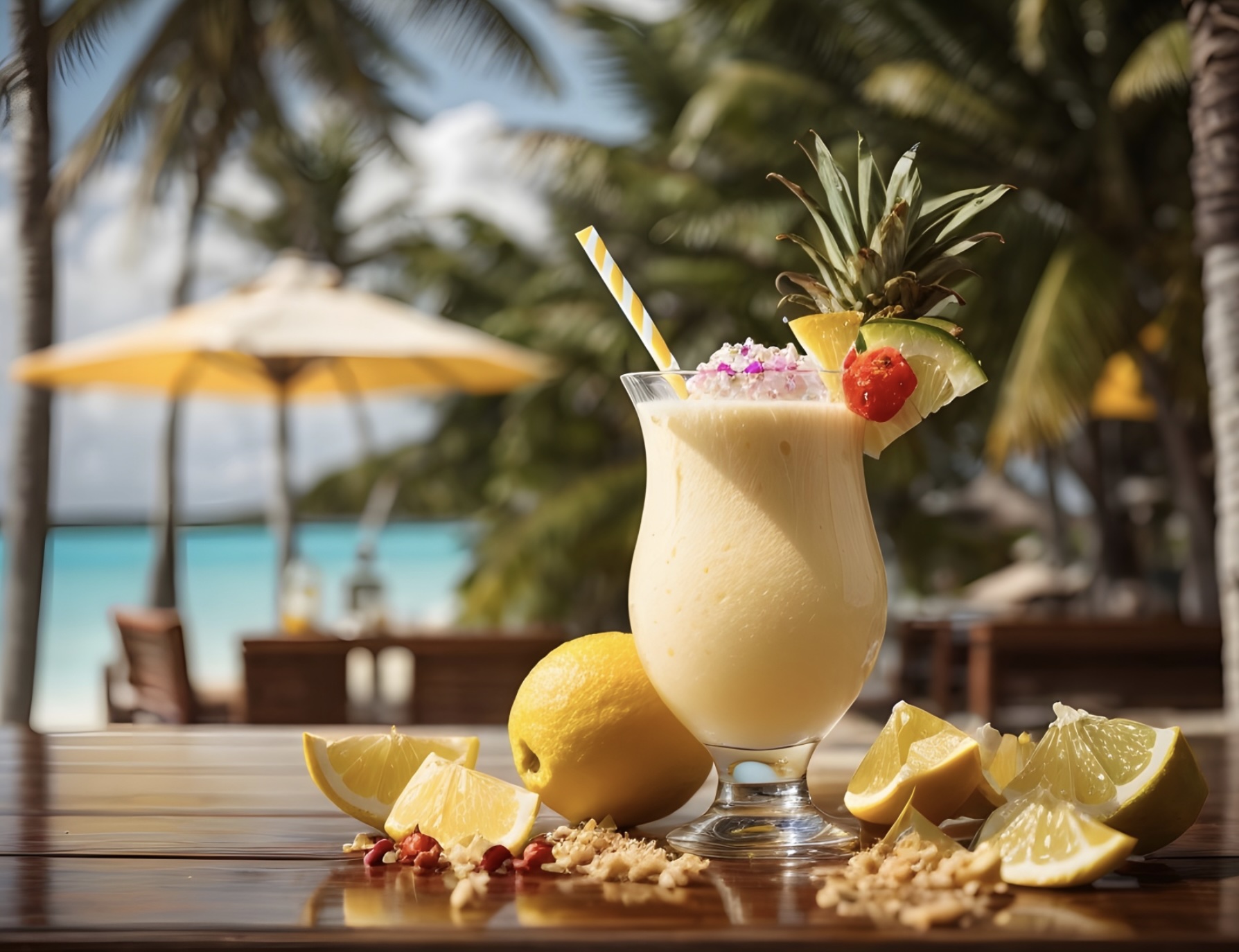
San Juan, Puerto Rico’s lively capital city, will host the 2027 PRS Annual Meeting, with the hotel conveniently located on the popular Isla Verde Beach. Less than a 30-minute drive away, visitors can explore historic Old San Juan, known for its well-preserved fortresses, the governor’s mansion, and a Catholic cathedral dating back to the 1500s. In the evening, Old San Juan comes alive with up-tempo salsa venues, and abundant cocktail options, including Barrachina, a modern-day restaurant and bar that claims to be the birthplace of Puerto Rico’s national drink, the piña colada, in the 1960s.
A welcoming tropical island, Puerto Rico is a favorite destination for travelers from around the world. Located about 1,000 miles southeast of Miami and just east of Haiti and the Dominican Republic, the island’s sunny days and warm temperatures make it ideal for exploring a wide range of activities.
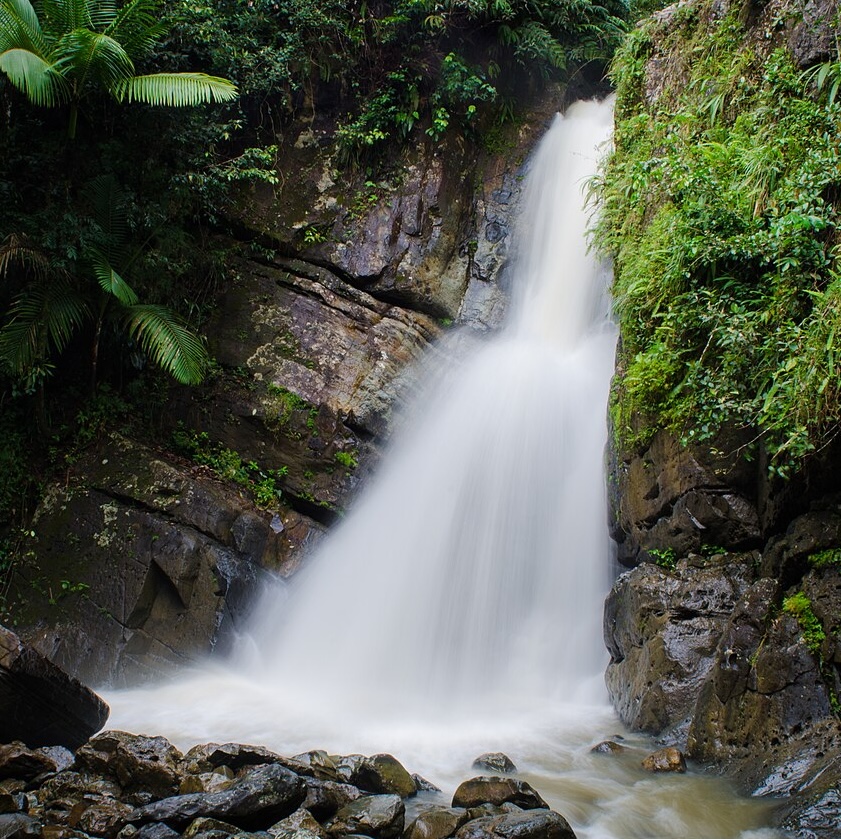
Meeting attendees can choose to swim, snorkel or relax on easily accessible beaches or discover an outdoor adventure in the lush tropical landscape of nearby El Yunque National Forest—the only tropical rainforest in the U.S. National Forest System. Whether it is the outdoors, history, or culture, Puerto Rico has something for everyone.
Additional Information on Puerto Rico
The history of Puerto Rico, a Caribbean island and unincorporated territory of the United States, reaches back to around 400 BC, when migrants from South America began settling the island and laying the foundation for what became the Taíno culture. By the time Christopher Columbus arrived in 1493 and claimed the island for Spain, the Taíno were the island’s dominant Indigenous people and called it Borikén, often translated as “Land of the Valiant and Noble Lord.” Early Spanish contact with the Taíno was initially peaceful, but colonization soon transformed the island. By 1508, Spain had appointed a governor, marking the beginning of nearly 400 years of Spanish rule.
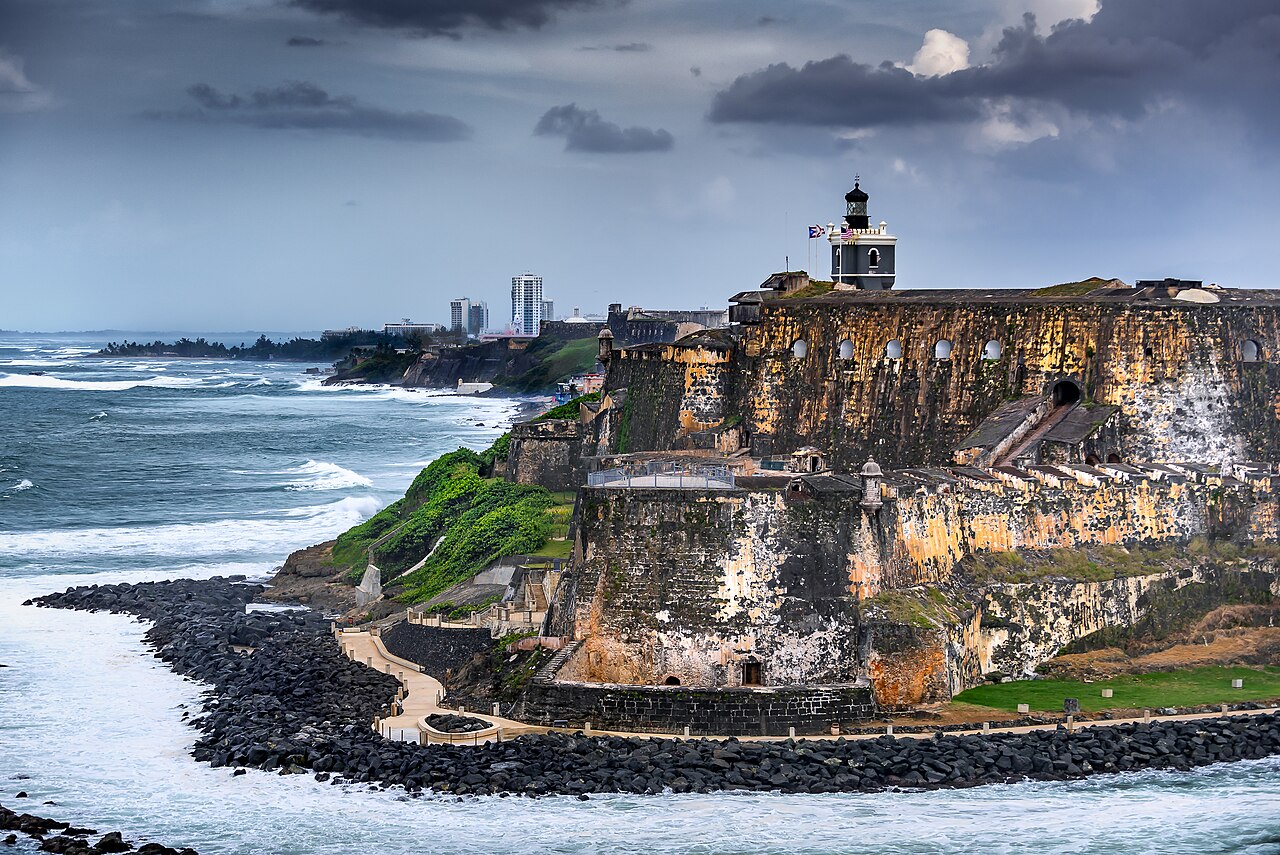
Over the next century, Spanish colonization reshaped Puerto Rico’s culture as more settlers arrived, established colonial government structures, and built military strongholds. These changes intensified conflict with the Taíno people and contributed to their devastating decline. As Indigenous labor diminished, enslaved Africans were forced to provide much of the island’s labor. Spain also brought the Roman Catholic Church, which built churches, cathedrals, monasteries, and schools. The discovery of gold in rivers drew prospectors to the island for a short-lived gold rush, while sugar, ginger, coffee, and tobacco became important cash crops. As Puerto Rico became known to other European powers, its strategic location led Spain to construct major fortifications, including El Morro. These defenses proved essential as Spain faced attacks from foreign rivals over the next two centuries, including France, the Netherlands, and England.
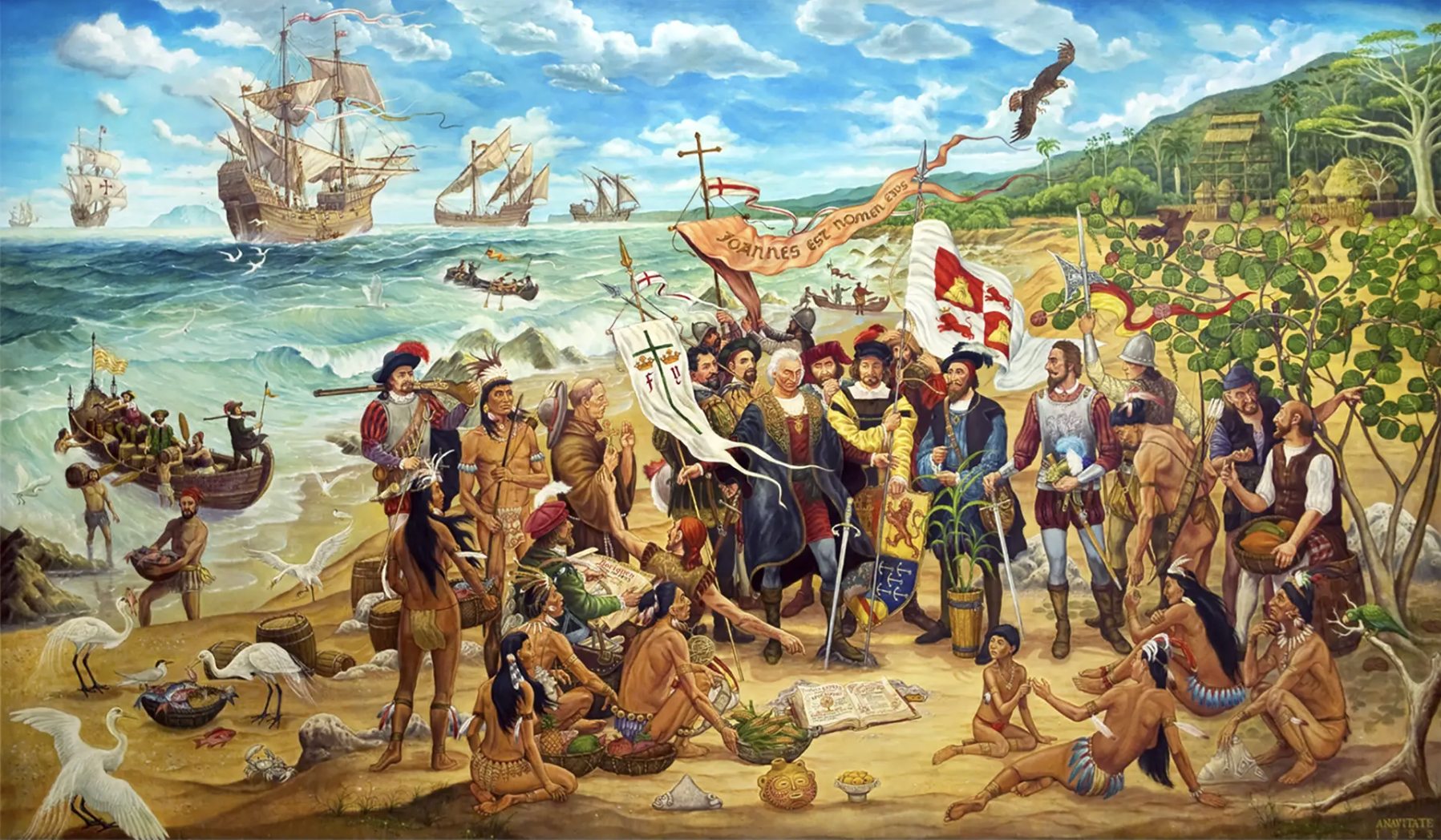
“El descubrimiento de Puerto Rico”
By Agustin Anavitate (1993)
During the 1800s, modernization brought the telegraph, printing press, and telephone to Puerto Rico, along with free public schools, expanded international trade, and representation in the Spanish government. Electricity arrived in the 1890s. Even with these advances, most islanders remained illiterate and lived in poverty on small farms. As political and military changes reshaped Spain and its colonies, Puerto Rico gained political autonomy in 1897. That autonomy was short-lived, however, when the United States conquered the island during the Spanish-American War in 1898. Under the Treaty of Paris, Spain ceded Puerto Rico to the United States as part of the peace settlement.
The 20th century began with the U.S. Congress replacing Puerto Rico’s initial military government with a civilian government. Over time, Congress granted Puerto Ricans greater political rights, including U.S. citizenship in 1917 and the ability to adopt their own constitution, which established the autonomous Commonwealth of Puerto Rico in 1952. Puerto Ricans also formed political parties that advocated for different visions of the island’s future, including independence. In 1967, voters participated in a referendum on Puerto Rico’s political status and chose to continue the commonwealth arrangement. The century also brought increased industrialization and significant migration from Puerto Rico to the mainland United States.
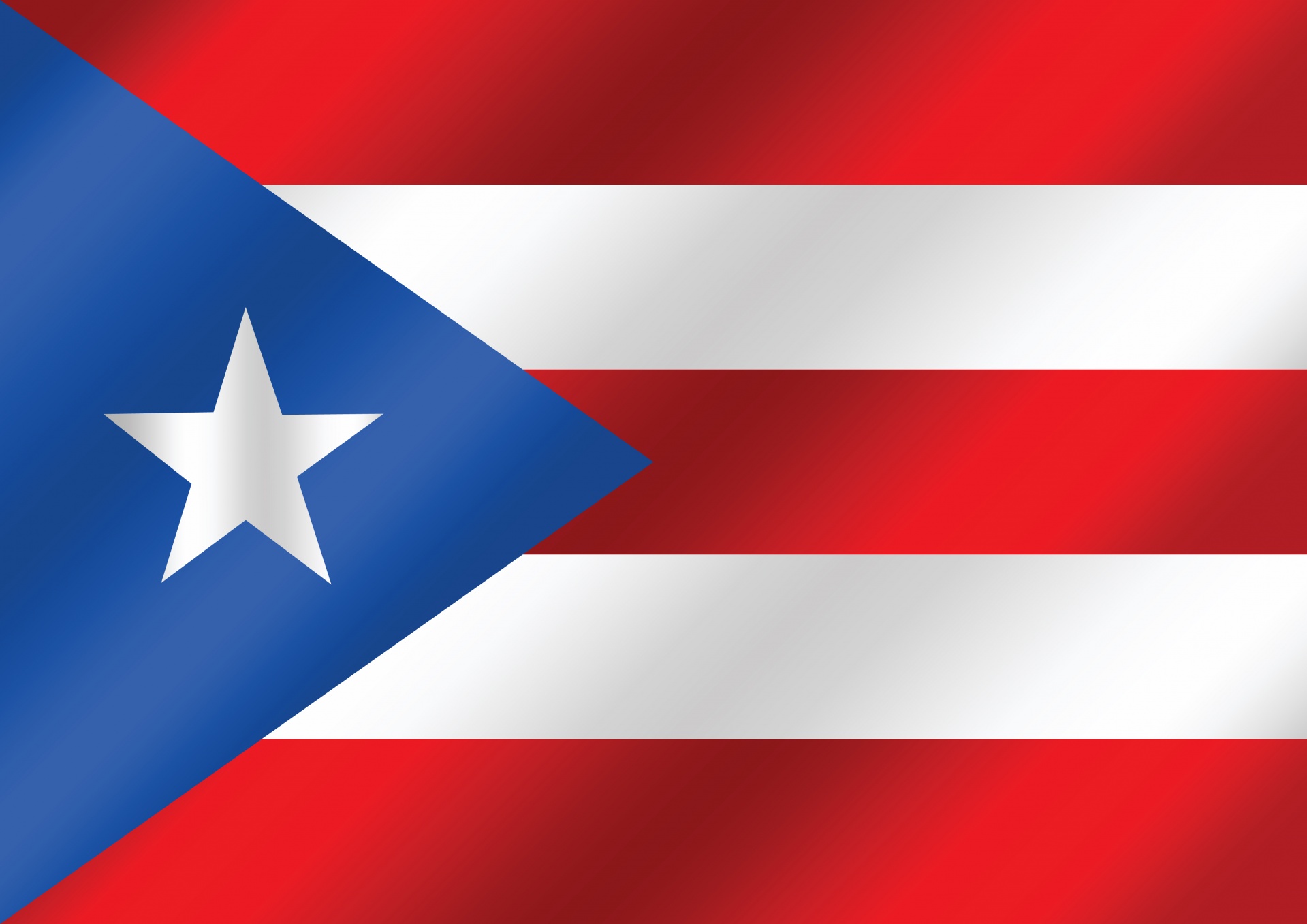
Since 2000, Puerto Rico has held four national votes on its political status, with a majority of voters favoring U.S. statehood in several of those referendums. However, the results have often been contested by Puerto Rican citizens, and Congress has not passed legislation granting statehood. While Puerto Rico’s political future remains uncertain, the island has also continued to face the recurring threat of natural disasters. Hurricanes, earthquakes, tropical storms, and flooding have long shaped life on the island, and recent storms, including Hurricane Maria in 2017 and Hurricane Fiona in 2022, caused widespread damage. Despite repeated upheaval and loss, Puerto Rico has continued to rebuild, reflecting the resilience of its people and its enduring importance in the Caribbean, where tourism remains one of its most vital economic pillars.
- The Luis Muñoz Marín International Airport – San Juan (SJU), is located less than 10 minutes from the Royal Sonesta Hotel, the meeting site for the 2027 Annual Meeting.
- SJU is the main airport servicing San Juan, with hundreds of daily flights to 30 domestic destinations. Numerous U.S. airlines fly to SJU including American, Delta, United, Southwest, JetBlue and Frontier.
- No passport is needed for U.S. citizens, but a REAL ID driver’s license or state ID card is required – or a passport. For non-U.S. citizens, travel requirements are the same as traveling to the mainland U.S.
- Puerto Rico uses the U.S. Dollar for its official currency.
2026 PRS NIH-Mead Johnson Nutrition
Young Investigator Workshop
September 17-18, 2026
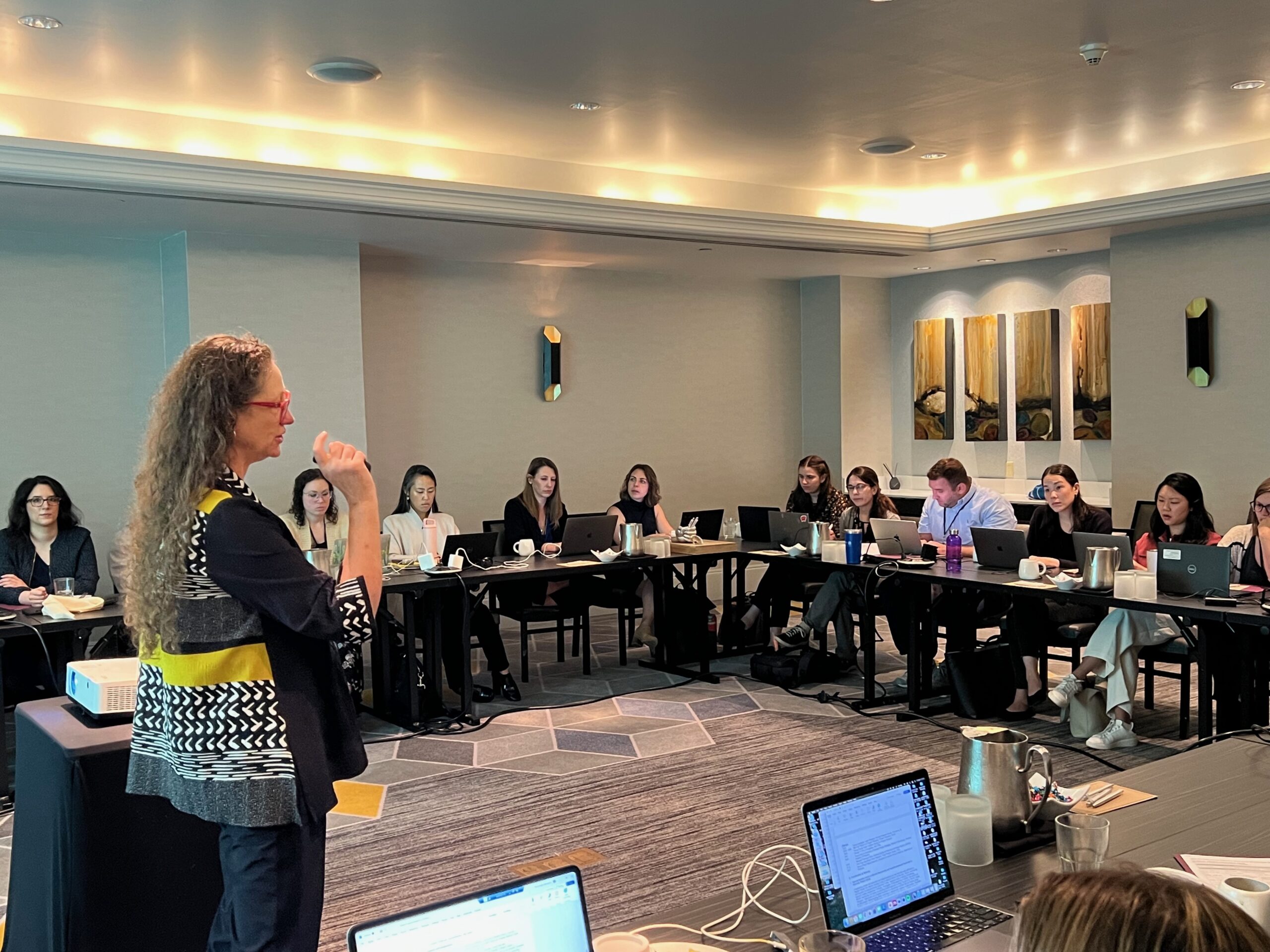
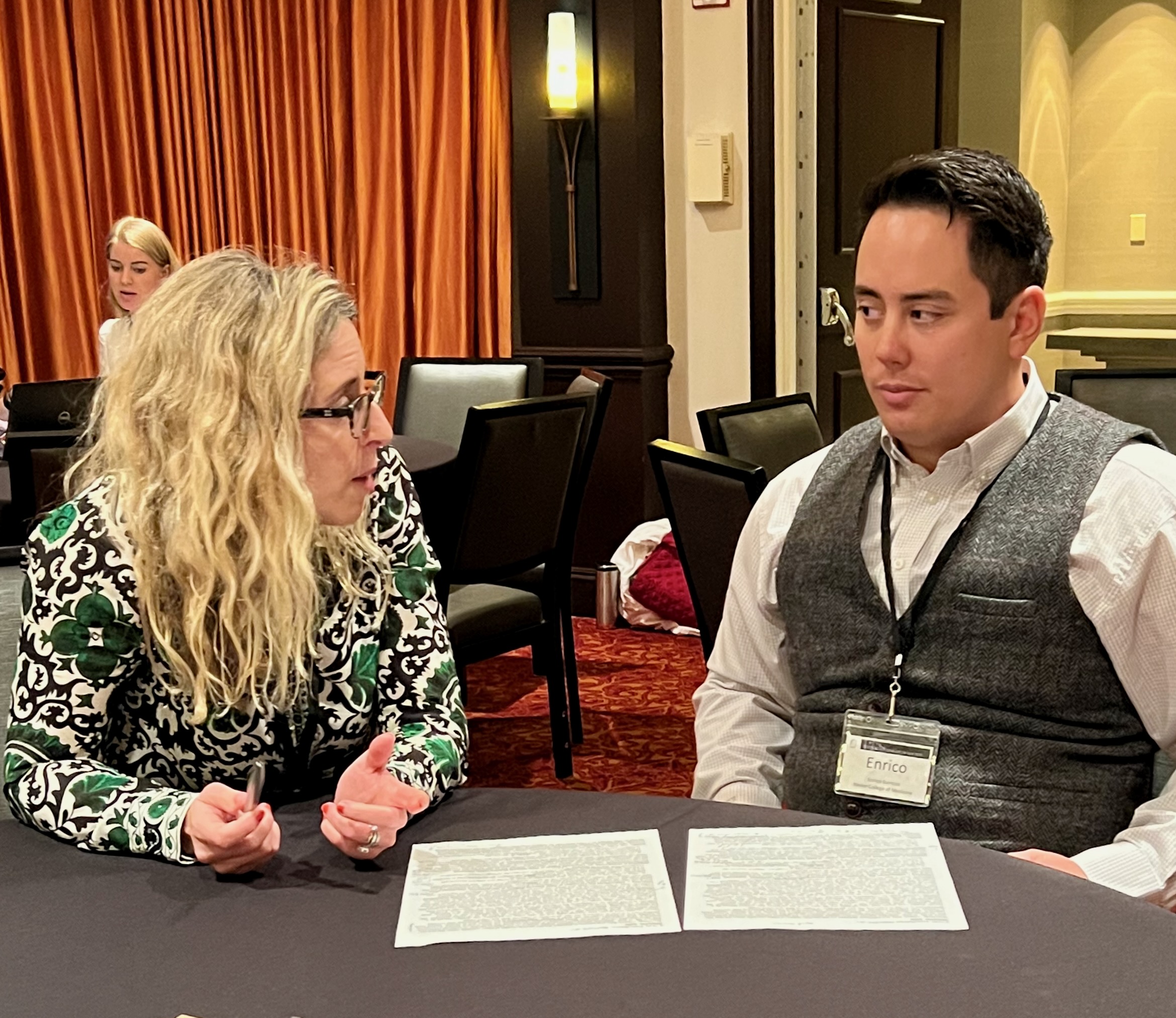
The Perinatal Research Society NIH-Mead Johnson Nutrition Young Investigator Workshop is a two-day, pre-meeting event, September 17-18, 2026 with successful applicants also attending the PRS Annual meeting, September 18-20. The workshop utilizes immersive, active-writing, and active-oral presentation design, with one-on-one feedback from NIH-funded faculty-mentors drawn from the PRS membership.
Application Submission Period Ended May 31, 2026
Application Deadline: May 31, 2026
Meeting Resources & LInks
Meeting Awards
- Liley Lecture
- Young Investigator Cassady Presidential Award
- PRS-PSANZ Mont Liggins Early Career Award
Meeting Logistics
- Meeting Registration
- Reimbursement Policy for Non-Member & Sponsored Invited Speakers
- Meeting Attendance Code of Conduct Policy
- Meeting Cancelation Policy
Previous Annual Meeting: 2025
Become a PRS Member